
Get Sewer Line Snaking in Little Elm, TX
Sewer line snaking services offered by local contractors in Little Elm, TX, help clear stubborn clogs, restore flow, and prevent backups in residential and commercial drains.
Property owners in Little Elm, TX, who experience frequent drain clogs or slow-running toilets may find sewer line snaking to be an effective solution. This service involves clearing blockages within the main sewer line, helping to restore proper drainage and prevent more serious plumbing issues down the line. Exploring options for sewer line snaking can be a practical step for those planning plumbing maintenance or addressing ongoing drainage concerns, ensuring the home’s plumbing system functions smoothly and efficiently.
For residents considering this work, comparing local contractors who specialize in sewer line snaking can provide valuable insights into available services. Many experienced service providers in the area can handle this task, offering professional expertise to help determine the best approach for your property’s needs. Continuing to read can help property owners gather information and identify reputable local contractors suited to their project.
- Clogged Sewer Lines - When wastewater begins backing up in sinks, toilets, or drains, sewer line snaking can help clear the blockage.
- Slow Drains - Persistent slow draining in homes across neighborhoods may require professional snaking to restore proper flow.
- Tree Root Intrusion - Roots infiltrating sewer lines in residential areas often necessitate snaking to remove obstructions caused by underground growth.
- Recurring Blockages - Frequent clogs in sewer lines can indicate underlying issues that professional snaking services can address effectively.
- Drain Odors - Unpleasant smells emanating from drains might be caused by debris or buildup that sewer line snaking can eliminate.
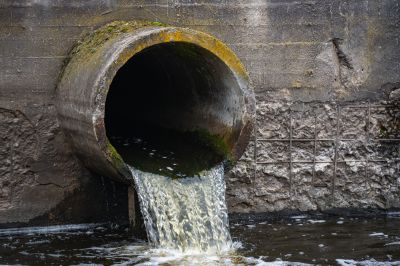
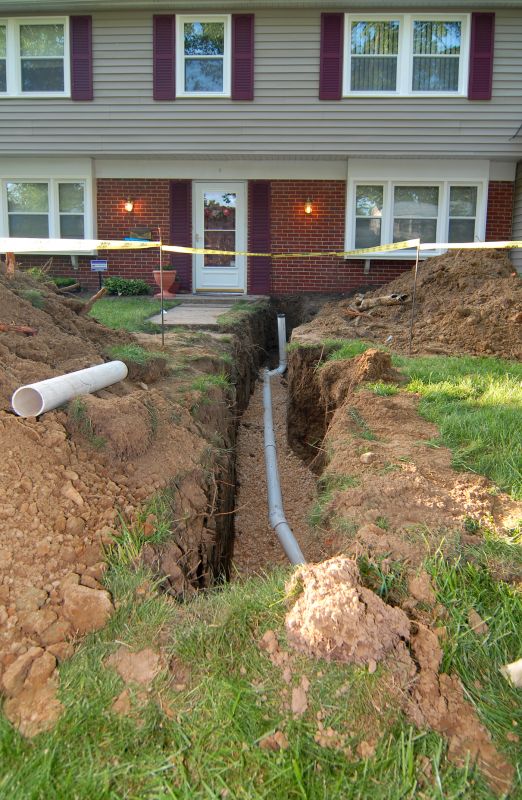
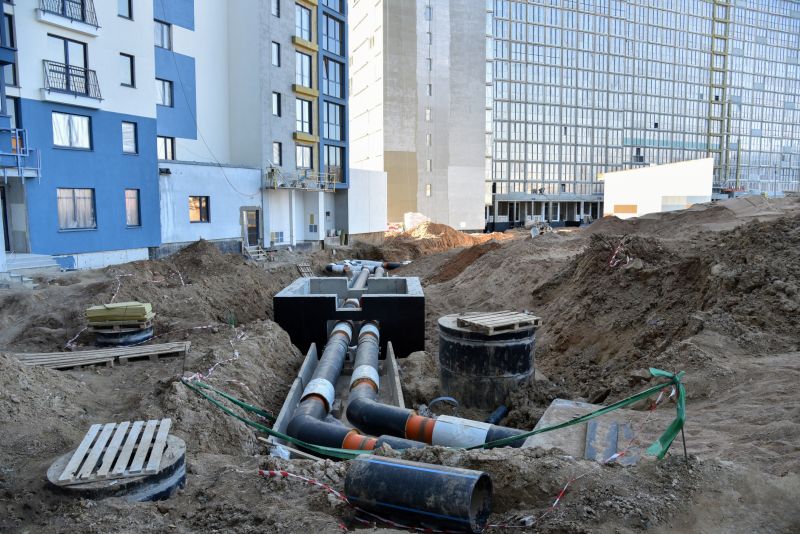
Sewer line snaking services involve the use of specialized equipment to clear blockages within underground sewer pipes. This process typically uses a long, flexible auger or snake that is inserted into the sewer line to break up and remove obstructions such as hair, grease, soap scum, and accumulated debris. The goal is to restore proper flow and prevent backups that can lead to unpleasant overflows or slow drains. These services are often performed with minimal disruption, making them a practical solution for homeowners experiencing persistent drain clogs or slow-moving toilets.
Many common plumbing problems can be resolved through sewer line snaking. When wastewater drains slowly or sewage begins to back up into sinks, toilets, or floor drains, it may indicate a blockage somewhere along the sewer line. Over time, tree roots can invade pipes, causing significant obstructions that require professional snaking to remove. Additionally, buildup of grease, hair, or foreign objects can create stubborn clogs that standard plungers or drain cleaners cannot resolve. Sewer snaking is an effective method to clear these issues, helping to prevent more serious and costly plumbing problems down the line.
Properties that typically benefit from sewer line snaking include residential homes, multi-unit dwellings, and small commercial buildings. Single-family houses often encounter sewer clogs due to everyday use, such as hair in bathroom drains or food waste in kitchen pipes. Multi-family complexes may experience more frequent blockages because of higher water usage and interconnected plumbing systems. Commercial properties, especially restaurants or facilities that generate grease and waste, often rely on sewer snaking to maintain smooth operations. Contacting local contractors for sewer line snaking can help ensure the problem is addressed quickly and effectively, minimizing disruption and potential damage.
Knowing when to seek sewer line snaking services can save homeowners from costly repairs and extensive cleanup. Signs include persistent slow drains, recurring backups, or foul odors emanating from drains or toilets. If multiple fixtures are affected simultaneously, or if a drain cleaning product does not resolve the issue, it may indicate a deeper blockage that requires professional attention. Local service providers can assess the situation, determine if snaking is appropriate, and perform the necessary work to restore proper sewer function. This practical approach helps keep plumbing systems running smoothly and prevents minor issues from escalating into major problems.
The overview below groups typical Sewer Line Snaking projects into broad ranges so you can see how smaller, mid-sized, and larger jobs often compare in Little Elm, TX.
In many markets, a large share of routine jobs stays in the lower and middle ranges, while only a smaller percentage of projects moves into the highest bands when the work is more complex or site conditions are harder than average.
Smaller Repairs - For routine sewer line snaking jobs, local service providers typically charge between $250 and $600. Many common clogs and blockages fall within this range, making it a cost-effective solution for minor issues.
Moderate Projects - Larger or more stubborn blockages may cost between $600 and $1,200. These projects often involve more extensive work and are common for mid-sized residential sewer line problems.
Extensive Repairs - Complex or hard-to-reach sewer issues can range from $1,200 to $2,500. Fewer projects fall into this higher tier, usually requiring specialized equipment or additional labor.
Full Line Replacement - Complete sewer line replacements or major repairs can exceed $5,000, depending on the scope and complexity. These are typically reserved for significant damage or aged infrastructure in Little Elm, TX, and nearby areas.
Actual totals will depend on details like access to the work area, the scope of the project, and the materials selected, so use these as general starting points rather than exact figures.
Drain Cleaning Projects - Local contractors often use similar tools and techniques to clear clogged drains as they do for sewer line snaking, ensuring effective removal of blockages.
Pipe Repair and Replacement - Repairing damaged or broken pipes requires planning and equipment comparable to sewer line snaking, especially when accessing hard-to-reach areas.
Kitchen and Bathroom Plumbing Installations - Installing new fixtures or replacing old pipes involves skills in navigating tight spaces and handling plumbing tools similar to sewer line maintenance.
Main Line Clearing Services - Clearing main sewer lines often involves snaking or augering methods akin to those used in sewer line snaking projects to prevent backups.
Underground Utility Line Locating - Identifying the location of underground pipes and utilities involves planning and precise equipment, paralleling the preparation needed for sewer line work.
Storm Drain and Catch Basin Cleaning - Clearing storm drains and catch basins requires similar techniques and tools to maintain proper drainage and prevent flooding issues.
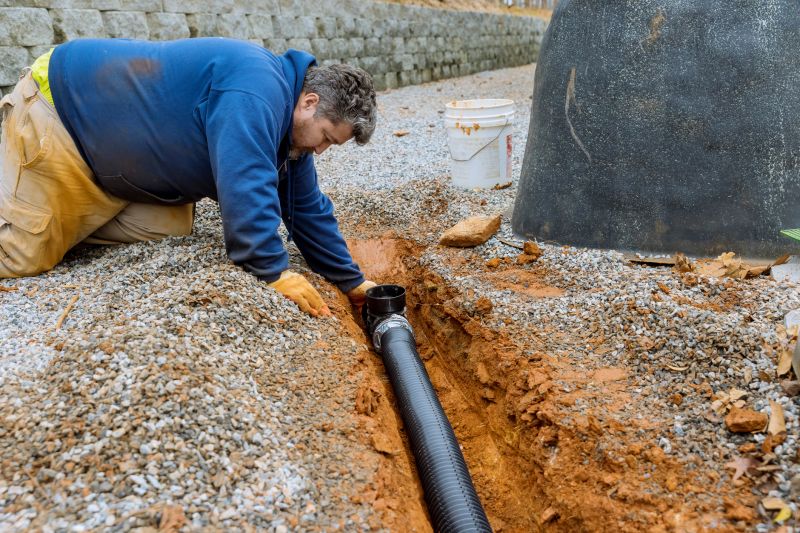
When evaluating sewer line snaking services, it’s important to consider the experience of local contractors with similar projects. Homeowners should seek out service providers who have a proven track record of effectively handling sewer line clearing in residential settings. Asking about the types of systems they’ve worked on and the complexity of past jobs can provide insight into their familiarity with common issues faced in Little Elm, TX, and surrounding areas. Experienced professionals are more likely to understand the nuances of local plumbing conditions and can often identify potential problems before they arise, helping to ensure the job is completed efficiently and thoroughly.
Clear, written expectations are essential when comparing local service providers for sewer line snaking. Homeowners should look for contractors who provide detailed descriptions of their services, including what the process entails, what the customer can expect during the work, and any necessary preparations or follow-up steps. Having this information in writing helps prevent misunderstandings and ensures that both parties are aligned on the scope of work. It’s also wise to request a written estimate or scope of services, which can serve as a reference point for comparing different providers and making an informed decision.
Reputable references and strong communication skills are key indicators of a dependable local contractor. Homeowners should ask for references or reviews from previous clients who had similar sewer line issues. Listening to feedback about the contractor’s professionalism, punctuality, and clarity in explaining the work can help gauge their reliability. Good communication throughout the process-such as timely responses to questions or concerns-can make the experience smoother and more transparent. Ultimately, selecting a service provider with positive references and clear communication can lead to a more satisfactory and stress-free sewer line snaking service.
Property owners in Little Elm, TX use Sewer Line Snaking services for practical projects around their homes and businesses. This guide focuses on everyday jobs and straightforward project options.
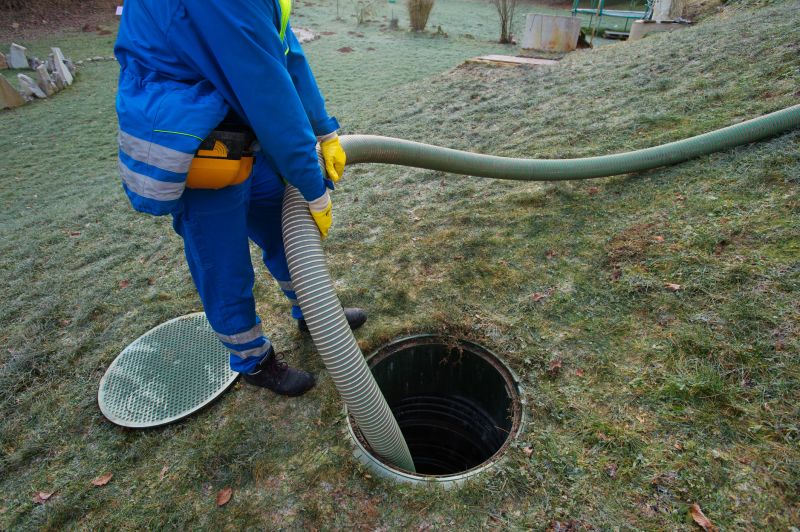
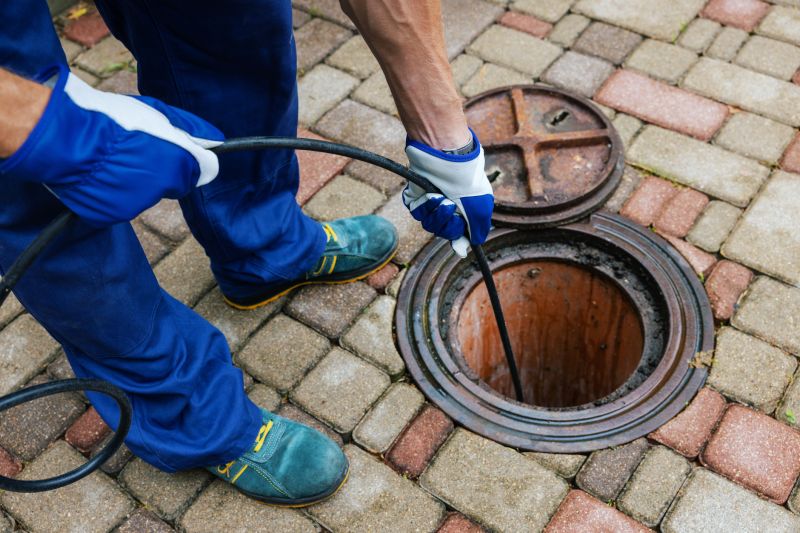
Sewer line snaking services are commonly sought by property owners in Little Elm, TX, when they experience slow drains or recurring clogs in sinks, toilets, or other plumbing fixtures. Over time, debris such as grease, hair, or small objects can accumulate inside the sewer lines, causing blockages that disrupt daily routines. Local contractors who specialize in sewer line snaking can help clear these obstructions efficiently, restoring proper flow and preventing more serious plumbing issues from developing.
Homeowners and landlords in Little Elm might also consider sewer line snaking if they notice foul odors or gurgling sounds coming from drains, which can indicate buildup or partial blockages within the sewer system. These service providers are equipped to handle both routine maintenance and unexpected clogs, providing a practical solution to keep plumbing systems functioning smoothly. Connecting with experienced local contractors can help property owners address these common issues promptly and effectively.
What is sewer line snaking? Sewer line snaking is a method used by service providers to clear blockages and debris from underground sewer pipes using specialized flexible tools known as drain snakes or augers.
How does sewer line snaking work? The process involves inserting a long, flexible auger into the sewer pipe to break up or retrieve obstructions, restoring proper flow and preventing backups.
When should I consider sewer line snaking? Sewer line snaking is typically recommended when experiencing slow drains, foul odors, or recurring clogs in plumbing fixtures connected to the sewer line.
Are there different types of sewer line snaking tools? Yes, service providers may use various augers and cables designed for different pipe sizes and types of blockages to effectively clear sewer lines.
Can sewer line snaking prevent future problems? While snaking addresses existing obstructions, regular inspections and maintenance can help identify issues early and reduce the likelihood of future clogs.
Clog Removal - When drains become slow or blocked, local contractors can use sewer line snaking to clear the obstruction and restore proper flow.
Preventive Maintenance - Regular snaking services can help property owners maintain clean sewer lines and avoid costly backups or repairs.
Drain Inspection Support - Sewer line snaking can be part of an inspection process to identify and address potential issues before they cause major problems.
Emergency Drain Clearing - In urgent situations where sewage is backing up, local service providers can quickly perform snaking to resolve the issue and minimize property damage.
If you are thinking about Sewer Line Snaking for a property in Little Elm, TX, this guide is meant to help you understand the work, the typical project types, and how different options might fit your plans.
When you are ready, you can use the quote form on this page to share a few details about your project. From there, local pros can review the basics and respond with options that match what you have in mind.